
What Property Managers Should Expect From Commercial Pest Control in Fairfax, VA
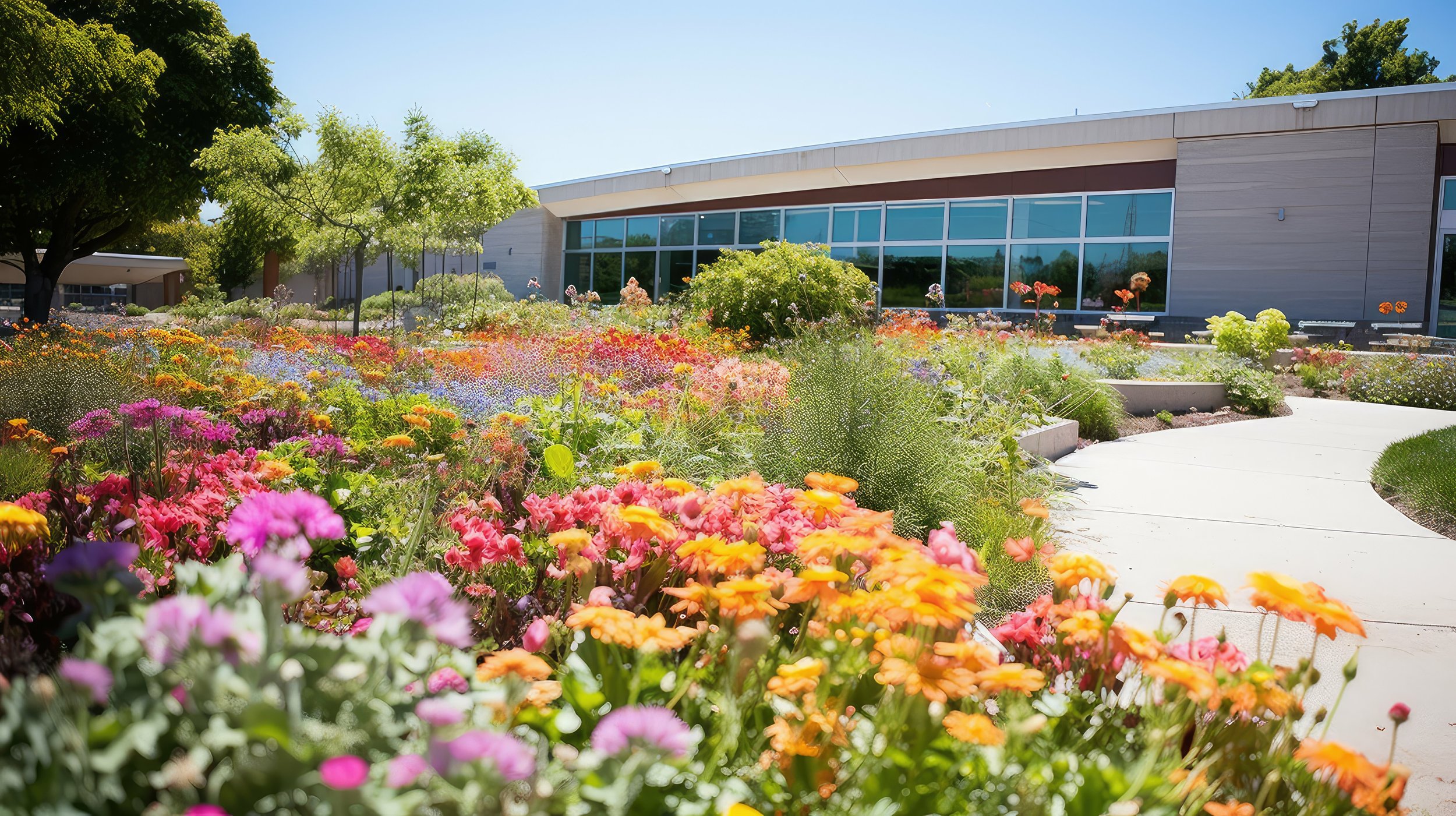
Property managers overseeing office parks, retail centers, and mixed-use properties juggle daily operations, tenant expectations, and exterior conditions that influence how a site performs. When commercial pest control in Fairfax, VA, enters the conversation, it should feel coordinated, predictable, and aligned with how the landscape functions. From our perspective as landscape designers working on commercial properties, pest control works best when it integrates with plantings, walkways, and overall site use rather than reacting to isolated issues.
Related: Why Commercial Pest Control in Frederick County, MD, Is Essential for Professional Landscapes
How Commercial Pest Control Interacts With the Landscape
Commercial pest control extends beyond building interiors. Many pest issues originate outdoors, especially in planting beds, turf areas, and shaded zones near structures. Commercial pest control professionals evaluate these areas alongside drainage patterns, mulch depth, and plant density. When we design and manage landscapes, we account for how insects and rodents move through outdoor spaces and where pressure tends to build.
A well-coordinated commercial pest control program considers how plantings sit near entrances, loading zones, and high-traffic walkways. Dense growth or excessive organic material can create conditions pests favor. We often work with pest control providers to adjust spacing, select appropriate plantings for the local hardiness zone, and refine layouts so treatments remain effective without disrupting how the property operates.
What Property Managers Should Expect From Commercial Pest Control
Clear communication defines successful commercial pest control. Property managers should expect regular site reviews, documentation, and schedules that respect tenant activity. Commercial pest control should align with business hours, deliveries, and outdoor use patterns rather than interrupt them.
From our side, commercial pest control works best when providers share observations about conditions contributing to pest activity. This might include moisture retention near planting beds, debris accumulation, or areas where foot traffic affects soil compaction. Commercial pest control becomes more effective when these insights guide landscape adjustments we already manage as part of the property’s overall design.
Property managers should also expect commercial pest control strategies to reflect the scale of the site. Large commercial properties require a broader view than individual buildings. Treatments should consider how pests move between structures, parking areas, and landscaped zones instead of addressing locations in isolation.
Related: Preventive Commercial Pest Control: Protecting Your Carroll County, MD, Property Year-Round
Seasonal Expectations for Commercial Pest Control
Commercial pest control shifts with the seasons, especially on properties with mature trees, ornamental plantings, and natural stone features. Warmer months increase activity around shaded areas and planting beds, while cooler periods often push pests closer to structures. Commercial pest control programs should anticipate these cycles and adjust monitoring and treatment frequency accordingly.
We design landscapes with these seasonal patterns in mind. Plant selection, spacing, and material choices influence moisture levels and shelter opportunities throughout the year. When commercial pest control aligns with these design decisions, results feel consistent rather than reactive. Property managers benefit from knowing what to expect as seasons change instead of responding to unexpected issues.
Collaboration Between Landscape Designers and Pest Control Teams
Strong collaboration separates average commercial pest control from effective programs. Pest control teams, landscape designers, and property managers should operate with shared information and aligned schedules. We often coordinate pest control visits with landscape installation work or pruning cycles to avoid overlap and confusion.
Commercial pest control providers should understand how changes to plantings, grading, or walkways affect pest behavior. Even small adjustments can shift activity patterns. When we share upcoming landscape work, pest control strategies remain accurate and appropriate. This coordination supports smoother operations and clearer expectations for property managers.
Long-Term Expectations for Commercial Pest Control
Over time, commercial pest control should feel routine and integrated into property management. Property managers should expect fewer urgent issues and more proactive planning. Consistent reporting and periodic adjustments based on site conditions signal a program that works.
From our perspective, commercial pest control performs best when paired with thoughtful landscape design and ongoing oversight. When outdoor conditions support healthy use patterns, pest pressure decreases naturally, and commercial pest control reinforces those outcomes rather than compensating for preventable issues.
Related: A Property Manager’s Guide to Commercial Pest Control in Fairfax, VA